
How to Choose a Seascape Painting for Your Home
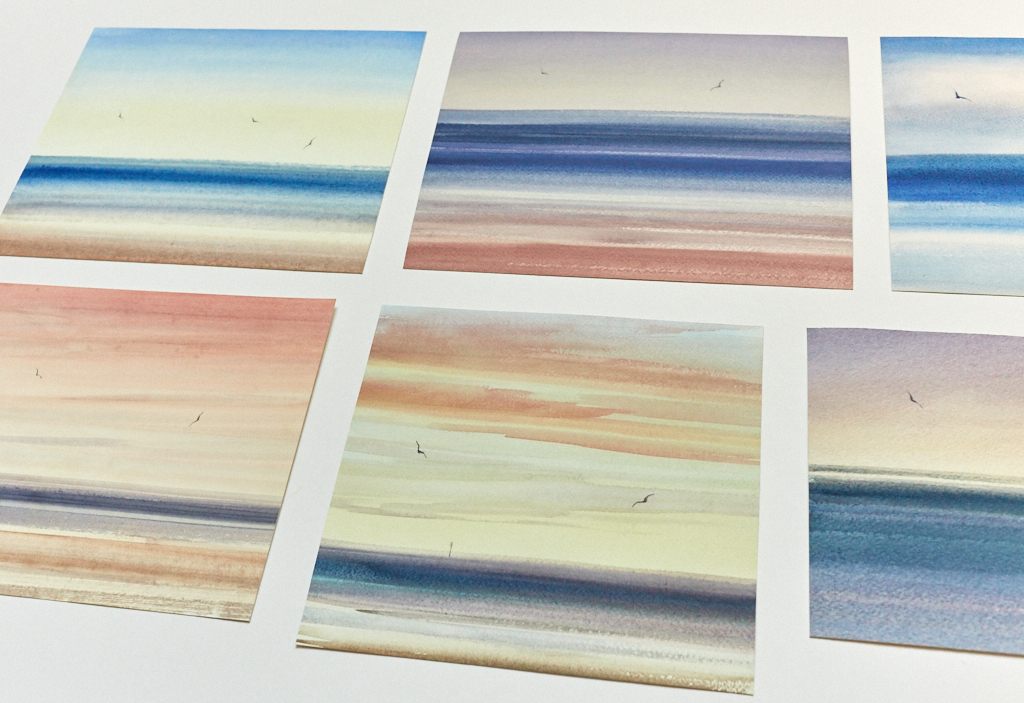
A painting of the sea can bring a particular atmosphere to a room. It might remind you of a favourite stretch of coastline, the sound of waves, or the changing light on the water. For some people, a seascape offers a feeling of calm; for others, it is the energy of the sea and the drama of the weather that makes it compelling.
The sea is never quite the same from one moment to the next. Tides, clouds, weather and light continually change the character of the coast, giving artists an endless source of inspiration. Having grown up by the sea in Lytham St Annes, I have spent many years exploring these qualities in my original seascape paintings.
If you are thinking about choosing a seascape for your home, it helps to consider not only how a painting looks on its own, but also how its subject, colours and scale will work in the space where you intend to hang it.
How seascape paintings can change the atmosphere of a room
A seascape can introduce a sense of openness into an interior. A wide horizon may make a room feel more expansive, while a painting of gentle water and soft coastal light can create a quieter atmosphere. More turbulent seas, strong contrasts and dramatic skies can bring movement and energy.
Personal associations matter, too. A painting might recall a holiday, a familiar beach or somewhere you have always wanted to visit. These connections can make a work of art meaningful long after its colours have been matched to the room.
Rather than choosing a painting solely because it coordinates with your furniture, consider how you respond to it. The most satisfying choice is often one that you continue to enjoy looking at over time.
Choosing the right size for your space
The size of a painting affects how it relates to the rest of a room. A large work can become a focal point above a sofa, fireplace or sideboard, while a smaller painting may be better suited to a bedroom, hallway, reading corner or study.
Before choosing, measure the available wall space and consider the furniture beneath it. You can use paper cut to the approximate dimensions of the painting to get a sense of how it will look before committing to a position.
A painting does not have to fill a wall to make an impression. Sometimes a smaller work surrounded by generous space has more presence than a larger one competing with shelves, furniture or other pictures.
Consider colour and natural light
Think about the colours already present in your room, including wall paint, flooring, fabrics and furniture. Blues, greens and soft neutrals often sit comfortably alongside coastal subjects, but warmer sandy tones, muted greys and more dramatic colours can work equally well.
You do not need to match every colour exactly. A painting can complement a room through contrast, introducing a different tone or drawing attention to a colour that is already present in smaller details.
Light is worth considering, too. A painting may appear different in bright daylight, in the evening or under artificial lighting. If possible, look at the work in conditions similar to those in which it will normally be displayed. Avoid prolonged direct sunlight, which can contribute to fading, and take care to protect paintings from damp and excessive heat.
Choosing a style and mood
Seascapes cover a wide range of subjects and moods. Gentle water, distant headlands and quiet horizons can create a feeling of stillness. Breaking waves, shifting clouds and unsettled weather may have a more dramatic effect.
Think about what you want the painting to bring to the room. A peaceful scene may suit a space used for rest, while a more energetic composition can create a strong focal point in a living room or workspace.
It can also be useful to consider how much detail you enjoy. Some paintings invite close inspection through texture, brushwork and small changes in colour. Others have a simpler composition that can be appreciated from across the room.
Oil paintings and watercolours
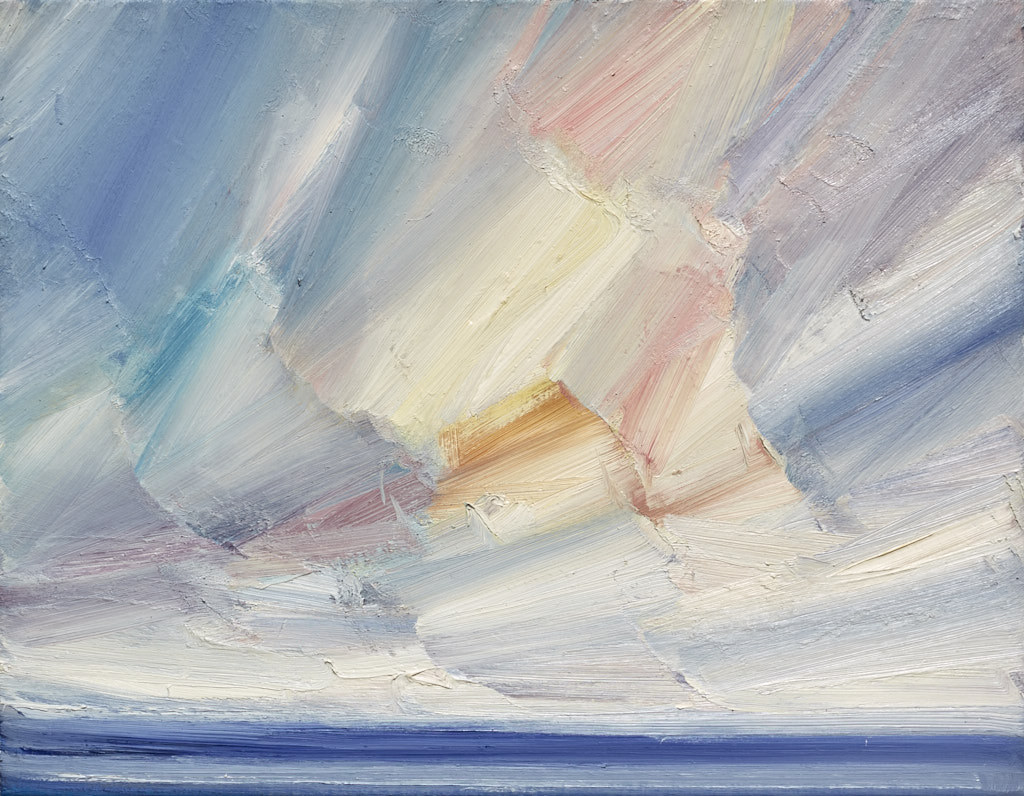
The medium has an important influence on the character of a painting. Oil paint can create depth, texture and rich variations of colour. These qualities are particularly effective for describing changing skies, reflections and the movement of water.
If you are drawn to this depth and texture, you can see examples in my original seascape oil paintings, which explore the changing character of the British coast.
Watercolour offers a different range of possibilities. Its transparency and fluidity can capture delicate shifts in light, atmospheric skies and the subtle colours of the shoreline. The result can feel airy and spontaneous, with the white of the paper helping to convey brightness and space.
You can explore these qualities in my original seascape watercolour paintings.
Neither medium is inherently better than the other. The choice comes down to the character of the individual painting and the qualities that appeal to you.
What to consider when buying an original painting
When choosing an original work, take time to look beyond the subject. Consider its dimensions, medium, surface, framing requirements and how it will be delivered. If you are buying online, check that the photographs and description give you a clear understanding of the work.
It is also reasonable to ask about the painting's authorship and provenance, whether it is signed, what is included in the price, and whether a certificate of authenticity is supplied. Check the seller's delivery arrangements and returns policy before making a decision.
Buying directly from an artist can give you the opportunity to learn more about the inspiration and process behind a painting. Wherever you choose to buy, it is worth selecting a work that feels right to you rather than making a decision based only on current interior trends.
Displaying your seascape painting
Once you have chosen a painting, its position can make a considerable difference to how it is experienced.
Hang it at a comfortable viewing height. As a starting point, position the centre of the artwork around eye level, adjusting for the room, furniture and the way the space is used.
Choose a suitable frame. A frame can complement the colours and character of a painting without overpowering it. Some works benefit from a simple, understated frame, while others may suit a more substantial finish.
Give the painting room to breathe. Allow enough space around the work for it to be seen clearly. If you are arranging several paintings together, consider their relative sizes, spacing and colours so that the group feels balanced.
Take care with the environment. Avoid prolonged direct sunlight, damp conditions and sudden temperature changes. If you are unsure about glazing, framing or conservation, ask a professional framer for advice appropriate to the particular work.
For more practical ideas, read my guide to how to display seascape art in your home.
Frequently asked questions
- What size seascape painting should I choose?
- Consider the available wall space, the furniture nearby and how far away the painting will usually be viewed. Larger works can establish a focal point, while smaller paintings can suit more intimate spaces or be arranged in a group.
- Which colours work well in a seascape painting?
- Blues, greens, sandy tones and muted greys are common coastal colours, but there is no single palette that works for every room. Choose colours that you enjoy and that sit comfortably alongside your existing surroundings.
- Should I choose an oil painting or a watercolour?
- Oil paintings can offer depth, texture and strong colour, while watercolours often have a lighter, more transparent quality. Look at examples of both and consider which medium best expresses the mood you want.
- How should I care for a seascape painting?
- Keep the painting away from prolonged direct sunlight, damp and excessive heat. Avoid using cleaning products on the painted surface, and seek advice from a professional conservator if it needs specialist care.
- How can I tell whether a painting is an original?
- Read the description carefully and check the artist's details, signature and provenance. If anything is unclear, ask the seller for further information before purchasing.
About Timothy Gent
I have been creating original coastal artwork since 2007, drawing inspiration from the British coastline and its changing light, weather and atmosphere. Working in oil and watercolour allows me to explore different qualities of the sea, from quiet horizons and subtle reflections to more dramatic coastal scenes.
Explore seascape paintings
If you would like to see how these ideas translate into original artwork, you can explore my collection of seascape paintings, including oil paintings and watercolours inspired by the British coast.
I hope these tips help you choose a painting that you will enjoy living with for years to come.
Published June 2025


